ERP for Small Manufacturers: What Do You Actually Need?
The eight capabilities a small manufacturer needs, what can wait, and how Katana, MRPeasy, inFlow, Fishbowl, Odoo and others cover them.
By A S M Lutful Kabir
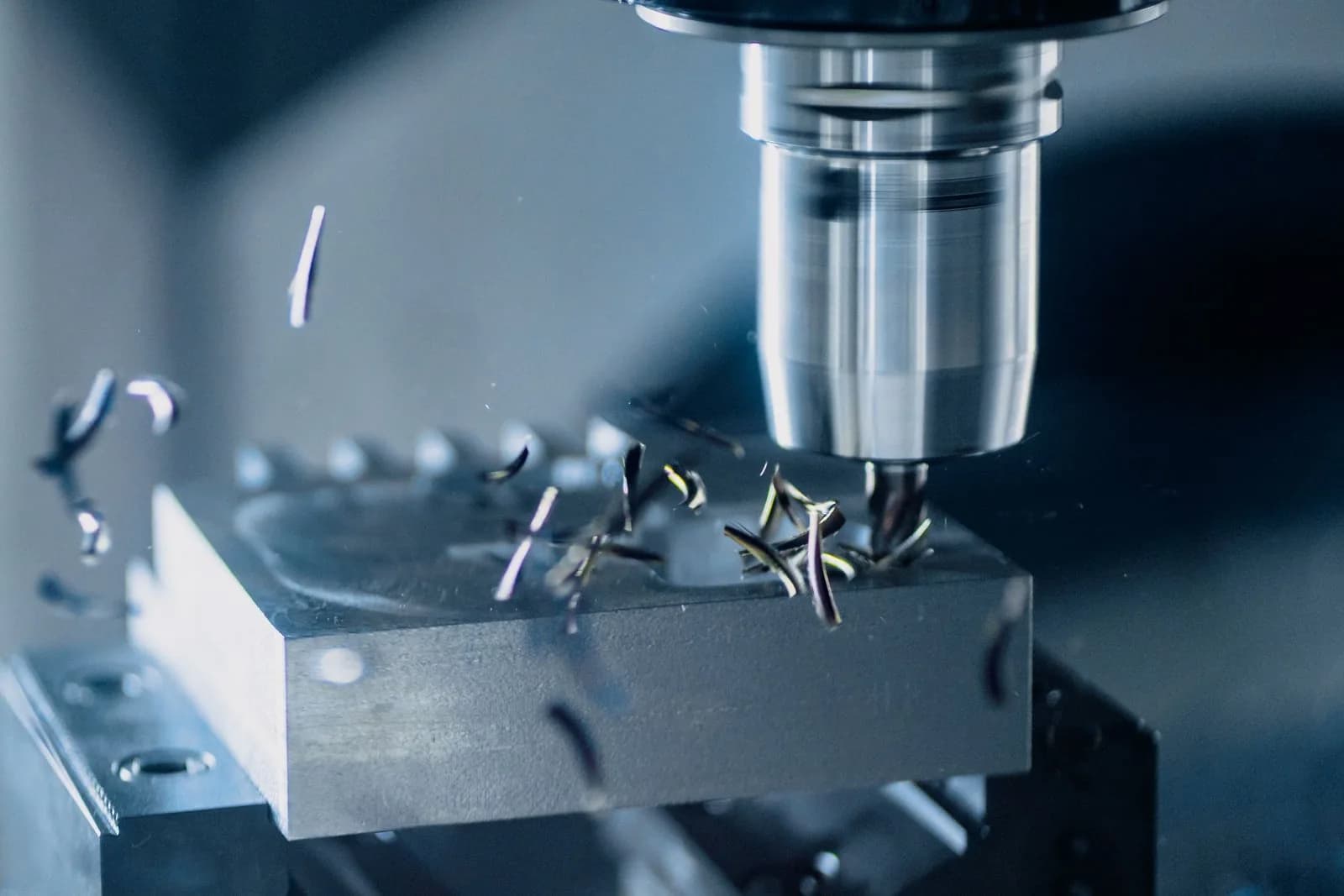
This post is for the owner of a small manufacturer (a machine shop, a fabricator, a maker of components or equipment, somewhere between 5 and 100 people) who is being sold "manufacturing ERP" and cannot tell which of the features on the brochure the business will ever use.
The short answer: a small manufacturer needs eight capabilities, in roughly this order of importance. Everything else on the brochure can wait until a specific problem asks for it.
- Bills of materials that say what goes into each product.
- Work orders that turn a BOM into a job, linked to the customer order it is for.
- Stock that moves when production happens: components out, finished goods in.
- Purchasing driven by shortages, so materials are ordered before the job stops.
- Real product cost: materials consumed plus labour and overhead, per unit.
- Sales orders connected to stock and production, so you only promise what you can make.
- Quality checkpoints that the right person signs off.
- Accounting that receives all of the above without retyping.
And four that most small manufacturers can postpone: automatic capacity scheduling, MRP runs across many levels of BOM, shop-floor terminals with time capture, and advanced demand forecasting. They matter at scale or in specific industries. If you are not sure you need them, you probably do not yet.
The Eight, and the Question to Ask a Vendor About Each
| # | Capability | Ask the vendor |
|---|---|---|
| 1 | Bills of materials | Can a BOM include labour and sub-assemblies? What happens to open jobs when a BOM changes? |
| 2 | Work orders | Can a work order name the customer order it is for? |
| 3 | Stock moves with production | When I report production, do components leave stock and finished goods arrive in one step? |
| 4 | Shortage-driven purchasing | When materials are short, does the system tell purchasing, or do I find out on the floor? |
| 5 | Real product cost | Is the finished unit valued at actual consumption plus labour and overhead, or a standard I type? |
| 6 | Sales connected to production | Can a salesperson see whether an order can be made by the date? |
| 7 | Quality checkpoints | Can I require a named role to sign off first-article and final inspection? |
| 8 | Accounting | Is accounting built in, or synced to QuickBooks or Xero? What exactly does the sync post? |
Put the same eight questions to every vendor on your list. The answers will separate them faster than any feature matrix.
The Options
Prices below were read from each vendor's own page on 15 October 2026, in US dollars. They change; check before you decide.
Katana
- Shape: cloud manufacturing and inventory software, built for small makers.
- Price: a free plan for up to 30 SKUs with unlimited users and locations; the paid plan, Advantage, is custom-priced on an annual contract. Katana pricing
- Accounting: integrates with QuickBooks Online and Xero.
- Good fit: makers who want a clean, focused production tool and are happy to keep accounting in QuickBooks or Xero.
- Watch for: what the accounting sync posts for production and cost of goods sold (question 8).
MRPeasy
- Shape: manufacturing ERP for small manufacturers, priced per user.
- Price: Starter $49, Professional $69, Enterprise $99, Unlimited $149 per user per month (Unlimited has a minimum of two users). Multiple stocks and production sites are listed on Enterprise and Unlimited. Every plan lists standard accounting. MRPeasy pricing
- Good fit: a small manufacturer that wants production planning features at a low per-user price.
- Watch for: which features sit on which tier, especially if you have more than one site.
inFlow Manufacturing
- Shape: inventory software with a manufacturing edition.
- Price: Start Up $169, Growth $399, Scale $629, Expansion $859 per month billed annually (higher if billed monthly), with team-member and location limits per plan. inFlow pricing
- Good fit: a business whose main problem is stock, with assembly or light manufacturing on top.
- Watch for: the location and user limits of each plan as you grow.
Fishbowl
- Shape: inventory and manufacturing software with long-standing QuickBooks integration.
- Price: Fishbowl Inventory from $229 per month (billed annually, 2 users); Fishbowl Advanced Manufacturing starts at $675 per month, with final pricing by quote. Fishbowl pricing
- Good fit: manufacturers committed to QuickBooks who need more inventory and production depth than QuickBooks offers.
- Watch for: the boundary between what Fishbowl does and what QuickBooks does, and who reconciles them.
Odoo
- Shape: a broad ERP with manufacturing, inventory, purchasing, sales and accounting in one product.
- Price: a Standard plan that includes all apps and a Custom plan that adds Studio, multi-company and API access; per-user prices carry a first-year discount, so read both figures. Odoo pricing
- Good fit: a manufacturer who wants everything in one product and can fund an implementation partner or Odoo's own packs.
- Watch for: implementation cost, which is usually larger than the licence.
Microsoft Dynamics 365 Business Central (Premium)
- Shape: a mature ERP; manufacturing is in the Premium licence.
- Price: Premium $110 per user per month, paid yearly, which adds manufacturing and service management to Essentials ($80). Business Central pricing
- Good fit: a manufacturer with Microsoft-centred IT and a partner relationship.
- Watch for: per-user cost across the team and the partner-led implementation.
Loopency
- Shape: one connected model for sales, stock, purchasing, production and finance.
- Price: Community free for up to three people; Business per person with a 14-day trial (manufacturing is on Business). See our pricing page.
Against the eight questions:
| # | Loopency |
|---|---|
| 1 | Bills of materials |
| 2 | Work orders released from a BOM; a work order can name the sales order it is made for |
| 3 | Production consumes components and puts finished goods into stock, recording the movements |
| 4 | Stock below its reorder level raises a requisition; "Buy what's short" on a sales order raises a purchase request for exactly the shortfall |
| 5 | Finished goods valued at components consumed plus labour and overhead, divided by quantity; selling records that cost |
| 6 | An accepted quote reserves stock; the order shows what it is short |
| 7 | First-article and final inspection checkpoints that only named roles can sign off |
| 8 | Built in: receipts, production, shipments and adjustments post their own entries |
Where we are the wrong choice, honestly: we do not run automatic MRP or capacity scheduling, and we do not have shop-floor terminals with time capture. If those are on your must-have list today, look at the dedicated manufacturing tools above. We are also newer than all of them.
A Simple Way to Choose
- Production is the problem, accounting is fine where it is: Katana, MRPeasy, inFlow Manufacturing or Fishbowl, with your current accounting.
- You want one product for everything and can fund implementation: Odoo or Business Central.
- The problem is the cycle, quote to stock to production to invoice, and the reconciling between tools is someone's job: that is the case for Loopency.
Then run one real job through your top two: a customer order that needs something made from a BOM, with one component short. Count the steps and the retyping.
Run one real job through Loopency
Competitor prices and plan details were read from each vendor's own pricing page on 15 October 2026 and are linked where used. They change; check the source.
Related reading
Oct 18, 2026

Oct 22, 2026

Oct 10, 2026